
Colloquium
Welcome to our colloquium.
Every semester we have fantastic new science on the physics of our environment presented by national and international guests and including our institutes achievements by talks from doctoral students and postdocs. We are looking forward to meet you at the IUP 1. Floor Seminar Room 108/110. Every Thursday at 11:15 during the Semester. Find the list of speakers below.

Colloquium WS 2026/2027
Tabellenfilter
Tabelle
| Date | Lecturer | Title | Abstract |
|---|
| Date | Lecturer | Title | Abstract | |
|---|---|---|---|---|
Oct, 22, 2026 | Dr. Jack Bruno | Estimating Methane Emissions from Space with Satellite Remote Sensing | Methane is a potent greenhouse gas with a strong influence on the rate of near term climate warming. There are a variety of satellite systems capable of detecting atmospheric methane globally, but the processing capabilities have lagged behind the potential of the current trove of data. Through both machine learning and physics based modeling we can better leverage the growing constellation of satellites observing atmospheric methane to quantify emissions and identify targets for effective mitigation efforts. Individual methane point sources, such as pipeline leaks, can be quantified with U-Plume, a 2-step algorithm using a U-Net machine learning architecture for plume masking and physics based methods for estimating emission rates. This is demonstrated with GHGSat satellite data but is readily applicable to other high spatial resolution methane imagers. Regional methane We use MethaneSAT and TROPOMI together in the Integrated Methane Inversion (IMI) to improve emissions estimates from oil and gas. This is an example case of the potential for combining multiple data sources in this common inversion framework to provide more complete accountability of methane emissions.
| 
|
Oct, 29, 2026 | Dr. Peter Greve | Understanding and modelling climate-water-human interactions | Research at the interface of climate science and socio-hydrology is vital for improving water resource assessments and promoting sustainable water management for food security. Irrigation and other water uses lead to a massive redistribution of water across the land surface and increasingly alter water and energy cycles. This presentation will highlight recent findings and model-based assessments of water availability within the Earth System and human-water-climate interactions, particularly focusing on irrigated regions worldwide. It will also introduce a flexible socio-hydrological modelling tool integrated with regional climate models to enhance our understanding of how human water use impacts the climate system. | 
|
Nov, 05, 2026 | open | |||
Nov, 12, 2026 | Prof. Dr. Pascal Bohleber | The Hunt for 1.2-Million-Year-Old Climate Signals with 2D Laser Ablation | With ice more than 1.2 million years old, the European Beyond EPICA Oldest Ice Core offers unique insights into the enigmatic Mid-Pleistocene Transition. However, extracting reliable climate signals from highly thinned deep ice remains a fundamental challenge, as post-depositional processes can compromise stratigraphy. To address this, Laser Ablation Inductively Coupled Plasma Mass Spectrometry (LA-ICP-MS) has emerged as a key tool for high-resolution impurity analysis. In this talk I present recent developments featuring the new state-of-the-art system at the Alfred Wegener Institute. Equipped with a time-of-flight mass spectrometer and a large cryocell accommodating three 33 cm ice samples, this setup enables high-throughput, 2D elemental mapping (Li–U) at micron-scale resolution over cm scales. This capability resolves highly thinned layers beyond conventional melting techniques. I show early results from the Beyond EPICA Oldest Ice Core, illustrating a new “big picture” view on ice microchemistry that is transferable also to other environmental archives. | 
|
Nov, 19, 2026 | Dr. Jonas Kuhn | |||
Nov, 26, 2026 | Prof. Dr. Anna Possner | Studying Southern Ocean Boundary Layer Clouds, expected and unexpected results | The Southern Ocean (SO) is a particularly cloudy region of Earth, where low-level clouds forming in the atmospheric boundary layer are the dominant cloud type. Because temperatures remain cold throughout the year, many of these clouds contain ice (expected). However, based on satellite retrievals, the presence of ice in these mixed-phase clouds appears to have no discernible impact on their reflectivity or spatial organisation (somewhat surprising, but maybe expected). When examining the organisation of marine SO stratocumulus, which commonly form open- or closed-cellular structures, we find that stratocumulus-topped boundary layers over the SO—and their scales of organisation—depart fundamentally from established relationships (very unexpected). | 
|
Dec, 03, 2026 | Dr. Theo Glauch | |||
Dec, 10, 2026 | Dr. Matthew Kasoar | |||
Dec, 17, 2026 | Ann-Kristin Kunz | |||
Jan, 07, 2027 | Brückentag | |||
Jan, 14, 2027 | Frank Rinn | From Heidelberg Environmental Physics Institute to the world of trees, timber, tree-rings and legal issues | When a diploma thesis in environmental physics at Heidelberg University leads to market-revolutionising innovations, generating hundreds of millions of euros in turnover across dozens of countries, as well as several international patents, trademarks, research and innovation awards, it is worth taking a look behind the scenes at the mechanisms, factors and consequences – particularly when the innovator himself regrets having gone down this path. Although studying physics in Giessen and Heidelberg provided excellent preparation for the technical and methodological demands of the field, in retrospect these proved to be the simplest of the many challenges that many true innovators have to overcome, particularly in Germany. This makes the conclusions to be drawn from this all the more important for university education, which should be supplemented and modified in many respects. | 
|
Jan, 21, 2027 | Dr. Sophie Warken | |||
Jan, 28, 2027 | Dr. Alan Seltzer | |||
Feb, 04, 2027 | Prof. Dr. Cathryn Birch |
Colloquium SoSe 2026
Tabellenfilter
Tabelle
| Date | Lecturer | Title | Abstract |
|---|
| Date | Lecturer | Title | Abstract | |
|---|---|---|---|---|
30.04.2026 | Dr. Samuel Hammer | Constraining European Fossil Fuel emission using atmospheric 14CO2 observations | Atmospheric Δ14CO2 serves as a direct tracer of fossil-fuel CO2 because fossil-fuel emissions contain no radiocarbon. Using the Regional Isotope Budget Approach (RIBA), we assess the information content of ICOS Δ14CO2 observations for constraining European fossil fuel emissions. ICOS data independently constrain fossil emissions, with the strongest constraints emerging for Central Western Europe (CWE). The analysis shows that expanding spatial coverage is more important than increasing sampling frequency. In inversion experiments, ICOS observations reduce an artificial ±10% prior bias to approximately ±3–4%. Absolute emission estimates for the CWE domain are within a few per cent of Global Carbon Project bottom-up estimates, but remain sensitive to the assumed Δ14CO2 background. | 
|
21.05.2026 | Dr. Justin Shenolikar | MiRadOr: The Story so Far | Wind Energy is expected to be one of Europe’s largest sources of electricity by 2030, with offshore wind farm installations in particular acting as a major contributor. To get the most out of these installations, and thus accelerate the transition to renewable power generation, we require high-quality meteorological observations and to close knowledge gaps in the near-surface dynamics of the atmosphere. In this talk, we explore MiRadOr: a year-long observing campaign in the Netherlands, combining Microwave Radiometer with LIDAR and radiosonde profiles. We discuss the project’s origins, goals and the successful 2026 field campaign, and preview the analyses being currently undertaken. | 
|
28.05.2026 | Dr. Domenico Cimini | Microwave Radiometry: From Uncertainty to Networking | Nowadays, ground-based microwave radiometers (MWR) are robust instruments providing continuous unattended operations and real-time atmospheric observations under nearly all-weather conditions. MWR observations help filling the observational gap in the atmospheric boundary layer, which is crucial for several applications including operational meteorology, renewable energy yield, air quality monitoring. In addition, long-term MWR observations complement radiosonde observations for reference-quality climate monitoring of upper-air. This lecture will review analyses and tools developed to foster the use of MWR for various applications, including instrument calibration, radiative transfer codes, uncertainty characterization, and initiatives for implementing MWR operational networks.
| 
|
11.06.26 | Christina Schmidt | The Plume Chasing Method - Development, Validation and Application of a Vehicle Emission Measurement System | Vehicle emissions, particularly nitrogen oxides and particulate matter, are key contributors to poor urban air quality. Monitoring emissions under real-world driving conditions and identifying high-emitting vehicles are essential for developing effective air quality improvement strategies. Plume Chasing, a Remote Emission Sensing (RES) method, is particularly well suited for characterizing emissions from individual vehicles and detecting high emitters. This presentation will highlight developments that have established Plume Chasing as a market-ready technology, compare its performance with other RES methods, and demonstrate its application to emission measurements from thousands of vehicles. | 
|
18.06.2026 | Prof. Manfred Wendisch | Radiative Energy Budget and Transformations of Air Masses in the Arctic | We have observed and simulated key parameters and processes determining the current amplified Arctic climate changes. After a general introduction of the feedback mechanisms causing these changes, the presentation discusses two of the aspects driving them: (1) the radiative energy budget at the surface with a focus on cloud radiative effects, and (2) the transformations of air masses during distinct moist and warm air intrusions (WAIs) and pronounced marine cold air outbreaks (CAOs) over the European Arctic. Results from airborne field campaigns and numerical simulations using the ICON (Icosahedral Nonhydrostatic) numerical weather prediction model are interpreted. The data were collected over areas of open ocean, the marginal sea ice zone, and the central Arctic sea ice. To investigate the processes transforming air masses during WAIs and CAOs, a quasi-Lagrangian observational strategy is applied. The observations of air mass transformations are related to the model-estimated thermodynamic, microphysical, and radiative rates of change, and the relative importance of these tendencies are quantified. Within the outlook of the presentation, the future CONIDA (Contrasting Polar Night and Day) campaigns are briefly introduced. | 
|
02.07.2026 | Dr. Annika Oertel | Assimilation of field campaign observations in weather prediction models | Improving numerical weather prediction depends on accurate initial conditions provided by the data assimilation process, which combines observations with a short-term model forecast. However, operational observing networks often lack sufficient mesoscale and boundary-layer observations. Field campaigns using KITcube, KIT’s mobile atmospheric measurement platform, provide such measurements from ground-based remote-sensing networks, including e.g. Doppler wind lidars. We illustrate how assimilating these field campaign observations into a numerical weather prediction system influences model initial conditions and affects subsequent forecast skill.
| 
|
09.07.2026 | Prof. Dr. Dominik Stolzenburg | Cracking the New-Particle Puzzle with Neon-Ice and Meister Propper: From the boreal forest and Asian megacities to Future Urban Air | New particle formation (NPF) from gas-phase precursors plays a crucial role in Earth’s atmosphere and remains a major source of uncertainty in climate projections. During NPF, volatile gases undergo atmospheric oxidation to form lower-volatility products that assemble into molecular clusters and eventually grow a new condensed aerosol phase. The formed aerosols can act as cloud condensation nuclei, altering the properties of clouds and influencing the global climate. It was recently shown that NPF also interferes with air pollution patterns, which forces us to rethink air quality in the city of the future, where NPF might occur even more frequently, as the background aerosol concentrations drop. In this seminar, I will take you on a journey, which explores if the air in our future cities will finally be clean. We start off from one of the cleanest places on our planet, the 26 m3 stainless-steel vessel of the CLOUD experiment at CERN, and via the smell of the forest that you inhale in Hyytiälä, Finland, we will reach Asian megacities and their haze, which sometimes makes even breathing hard. On the way, I’ll introduce a suite of experimental, analytical, and modelling tools to describe organic aerosol formation, the dominant mechanism of NPF in future urban environments. I’ll show how the complementary approaches of mass spectrometry and infrared spectroscopy can be used to address some of the biggest gaps in NPF research: full measurement coverage of the huge variety of atmospheric organics and identification of the structural chemical motifs responsible for nanoparticle formation. Together with modeling NPF using the volatility basis set framework, we explore NPF in future urban environments, where emerging organic sources - including cleaning agents, personal care products, solvents, adhesives, and coatings - may become increasingly important. The highlight - freezing Meister Propper (Mr. Clean) into noble-gas ice at 6 K - shows that NPF research goes far beyond classical aerosol science and provides links to many disciplines from physics to chemical product design formulations. | 
|
16.07.2026 | Karolin Voss | Abundance and transport pathways of reactive halogen gases in our atmosphere | Reactive halogens deplete both tropospheric and stratospheric ozone. Thus, it is necessary to quantify their atmospheric abundances and understand their transport pathways into higher layers of Earth’s atmosphere. Balloon-borne remote sensing observations are used to constrain the stratospheric bromine content. The derived bromine budget is discussed in light of the long-term trend of stratospheric bromine. Furthermore, aircraft-borne observations show that tropical cyclones drive significant enhancements in inorganic iodine in the extratropic upper troposphere and stratosphere. This important but previously underappreciated transport pathway for iodine into the upper troposphere complements known marine and episodic sources of atmospheric iodine and raises further research questions about the underlying processes | 
|
23.07.2026 | Dr. Santiago Botiá | Closing the CO2 and CH4 Budgets in Tropical South America: An Integrated Observational and Modeling Approach | Tropical South America hosts the world's largest rainforest and a vast forest-savanna transition zone, both increasingly threatened by climate change, deforestation, and drought. Despite their global significance, the contributions of these ecosystems to the carbon cycle remain poorly constrained. In this talk, I present the work of the Tropical Atmosphere-Biosphere Signal Attribution (BSAT) group at MPI-BGC, where we aim to quantify CO2 and CH4 sources and sinks across Tropical South America and reduce uncertainty in regional net biome exchange estimates by integrating local-scale process understanding with continental-scale atmospheric inverse modeling. Our observational constraints are strongly based on the Amazon Tall Tower Observatory (ATTO) and is being expanded through new measurement sites, including a flask sampling site in the Orinoco river basin, covering signals from seasonally flooded savannas in Colombia. These measurements serve as critical constraints for atmospheric inverse modeling. Using the Jena CarboScope regional inversion system, we showed that assimilating the long-term ATTO CO2 record together with airborne vertical profiles across the continent reveals that the Amazon carbon sink is offset by emissions from the neighboring Cerrado and Caatinga biomes. Building on this, we are strengthening the prior information entering the inversion system through an improved representation of ecosystem respiration across the Amazon basin, and by extending the pyVPRM framework with high-resolution land cover information, including degraded forest areas using the MapBiomas and the TMF datasets. For CH4, our work has advanced along two complementary efforts. First, constraining methane budgets at the scale of the major river basins of the continent using atmospheric inversions. Second, combining aquatic-habitat-specific flux estimates with atmospheric transport modeling to disentangle the contributions of different wetland and riverine source types to the seasonal dynamics of CH4 observed at ATTO. With this I’ll give a general overview of the BSAT group and our current efforts to provide a more complete and consistent picture of the carbon cycle in Tropical South America. | 
|
19.09.2026 | Prof. Dr. Russell Drysdale | Forcing of southern mid-latitude deglacial hydroclimate by Antarctic ice-sheet dynamics | During the last deglaciation, large meltwater releases from decaying Northern Hemisphere ice sheets entered the North Atlantic Ocean, triggering a series of millennial-scale climate events that were felt globally. The effect of these events on Southern Hemisphere mid-latitude climate, however, remains poorly constrained: the Antarctic sequence of early deglacial warming - Antarctic Cold Reversal - late deglacial warming becomes ambiguous as one moves beyond the Antarctic margin. A precisely dated speleothem record from Tasmania reveals persistent changes in regional hydroclimate during the deglaciation in response to pulses of iceberg discharge from the Antarctic margin. Numerical simulations suggest these pulses increased sea-ice cover, leading to reduced atmospheric temperatures and a northward shift in the Southern Hemisphere westerlies. These findings suggest that mid-to-high latitude Southern Hemisphere deglacial climate was significantly more nuanced than previously recognised, and highlight the possibility of regional hydroclimate changes from future Antarctic melting. | 
|
Colloquium WS 25/26
Tabellenfilter
Tabelle
| Date | Lecturer | Title | Abstract |
|---|
| Date | Lecturer | Title | Abstract | |
|---|---|---|---|---|
30.10.2025 | Dr. Raymond Leibensperger | Making a Splash: Characterizing Sea Spray Aerosol Emissions Using the Scripps Ocean-Atmosphere Research Simulator (SOARS) | Covering 71% of the planet, oceans emit sea spray aerosols (SSA). Produced from wind-wave interactions, SSA are responsible for seeding clouds, acting as ice nuclei, and interact with radiation to regulate our climate. Despite being produced over most of the planet, their climate impacts remain poorly characterized. In this 5-part study, SSA production processes are investigated under realistic, yet highly controlled, laboratory conditions using the Scripps Ocean-Atmosphere Research Simulator (SOARS). SOARS is a unique instrument recreating the ocean-atmosphere interface in the laboratory. In this talk, I will characterize how SSA emissions are simulated in global climate models, describe a novel instrument to replicate surface ocean conditions in the laboratory, document how to measure SSA using this new instrument, integrate novel measurements of SSA emissions into a climate model, and quantify the role of sea surface temperature in determining SSA emissions. | 
|
06.11.2025 | Dr. Alon Azoulay | Advancements and Challenges in Volcanic Ash Detection and Classification Using Satellite UV/VIS Measurements and Deep Learning | Volcanic eruptions can impact human populations and the environment, with volcanic ash affecting air quality, agriculture, and aviation. Satellite observations for monitoring volcanic ash may face challenges, including difficulties in distinguishing ash from other aerosols, limited coverage, and sensitivity to weather conditions. This study explores a new method that uses deep learning to analyze Ultraviolet (UV) and visible (VIS) satellite data for detecting and classifying volcanic ash in the atmosphere. Neural network classifiers and parameter estimators were trained on simulated data from a radiative transfer model, covering diverse atmospheric conditions, and applied to spectral measurements from the TROPOspheric Monitoring Instrument (TROPOMI) aboard the Sentinel-5p satellite. The results suggest that volcanic ash can be distinguished from other aerosols and no aerosols with over 90% accuracy in the test dataset. | 
|
13.11.2025 | Dr. Étienne Plésiat | Deep Learning Approaches to Filling Gaps in Observational Climate Datasets | Accurate observational climate records are fundamental for understanding past climate variability, addressing future climate challenges, and informing adaptation strategies. However, these datasets — especially older records — frequently contain missing values, reducing their utility for climate analysis. While statistical interpolation methods, such as Kriging, are commonly used to fill these gaps, they often fail to capture complex climatic patterns. This study evaluates deep learning approaches for reconstructing two monthly observational datasets: an intermediate HadEX3 product (referred to as "HadEX-CAM"), which includes temperature-derived extreme indices, and the GPCC Full Data Monthly Product, providing global precipitation fields. To this end, we implemented and assessed different deep learning architectures based on U-Net, diffusion models, and graph neural networks. | 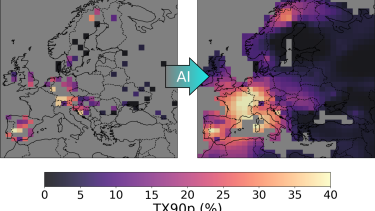
|
20.11.2025 | Dr. Julia Gottschall | Measuring Offshore Wind Resources from Ships (and Buoys) | The exploitation of wind energy as a renewable energy heavily depends on the accurate and precise characterization of prevailing wind velocities and available resources. Wind lidar has become the standard wind measurement technology in the wind industry in recent years, but offshore measurements are still relatively rare. As a supplement to buoy-based measurements, the application from ships travelling over large distances comes with the advantage that large areas can be covered and wind resources be determined. The presentation will give an overview of past campaigns and applications in which we have not only demonstrated the general measurement concept, but have already validated both mesoscale models and the reconstruction of wind data from satellite measurements. The talk will also discuss the accuracy of ship-based measurements in the wind energy context and the application in large-scale atmospheric experiments. | 
|
27.11.20205 | Prof. Dr. Heather Stoll | Were all past AMOC weakenings really triggered by freshwater hosing? | Models show that freshening in the North Atlantic can trigger AMOC collapse, but were all past AMOC weakenings triggered by freshwater? I will share new, decadally resolved stalagmite isotope records from coastal caves in NW Iberia spanning the last 200 ky, which provide paired indicators of Atlantic freshening and abrupt temperature change. These records elucidate if freshwater was a trigger or conditioner for all past AMOC weakenings and if the recovery of AMOC was coincident with the reducing in freshwater. Stalagmite records also indicate a more dynamic precessional forcing of Northern Hemisphere ice sheets. Finally, using deep time orbitally resolved CO2 records, I will compare the CO2 forcing of the Oligocene-Miocene cryosphere with that of the late Pleistocene. | 
|
04.12.2025 | Dr. Justin Shenolikar | Charting the course: Europe’s Earth Observing journey through time, in space | Europe, through its space agencies ESA and EUMETSAT, has been a spacefaring power for more than half a century. Its space story is one of remarkable cooperation: missions to space represent an enormous investment and are some of the biggest collaborative projects in the world. A world leader in Earth Observation – the planning, building and operating of meteorological satellites – for over 50 years, through changing economic and political landscapes, Europe has continued to push boundaries, facilitating cutting-edge technological innovations. This continues to the present day with the successful launches of the MTG and EPS-SG missions. In this talk, we examine the history satellite planning in Europe, and how it has changed over the years. We will explore how today’s technological and economic realities are shaping the space industry and the impacts on how we will plan the satellite programmes of the future. | 
|
11.12.2025 | Dr. Yuanxu Dong | The role of bubbles in air-sea gas exchange | Air-sea gas exchange regulates the global cycles of climatically and biologically important gases such as CO2, CH4, N2O, O2, and DMS. For example, the ocean absorbs approximately 25% of anthropogenic CO2 through air-sea gas exchange, effectively mitigating global warming. This exchange occurs through two pathways: interfacial transfer across the sea surface and bubble-mediated transfer driven by wave breaking. The former is independent of gas solubility and symmetric between invasion and evasion, while the latter depends on solubility and asymmetric (favors invasion). Current flux estimates in data products and Earth System Models often underrepresent the bubble process, without considering the solubility dependence and the asymmetric transfer effect. Because solubilities of the gases mentioned above span several orders of magnitude, such underrepresentation may bias air-sea fluxes and climate projections. This talk reviews advances in understanding bubble-mediated gas exchange from theory, laboratory, field, and modeling perspectives, highlights key knowledge gaps, and presents recent high-wind experiments conducted in the Aeolotron. | 
|
18.12.2025 | Dr. Jarmon Kikstra | How are emissions scenarios for CMIP7 cooked up? A look in the kitchen | Scenarios are a central tool in climate change research, enabling exploration of the future evolution of the Earth system, climate impacts, and societal responses. In this presentation, I will present what science is behind the creation of the emissions scenarios developed to support the ScenarioMIP experiment within CMIP7. The talk will cover the design of the scenario set (what science, policymakers, plausible range) and the related community process, the quantification of the global/regional sectoral information (e.g., energy and land across sectors) using integrated assessment models (IAMs), how this relates to the Shared Socioeconomic Pathways (SSPs), and how the emissions data of these scenarios is prepared for input to Earth system models (ESMs). | 
|
08.01.2026 | Prof. Dr. Daniela Domeisen | Extreme weather events driven by the stratosphere | The stratosphere, the atmospheric layer between about 10 to 50km above the Earth’s surface, can strongly influence weather at the surface. In particular, extreme stratospheric events tend to be followed by persistent weather anomalies associated with a shift in the storm track. These anomalies can lead to a wide range of extreme weather events including storm clustering, cold spells, dust outbreaks, as well as compound extremes. While the long-lived stratospheric signals provide an opportunity for the extended-range prediction of extreme weather events, it remains unclear how the coupling between the stratosphere and the surface may change under climate change. This contribution will provide an overview of the history and future of vertical atmospheric coupling and its impacts on the prediction of extreme weather. | 
|
15.01.2026 | Dr. Stéphane Affolter | Speleothem fluid inclusions as a witness of past precipitation water | Speleothems are key natural archives for reconstructing past climate variability such as temperature or moisture source. Speleothems generally contain water stored in micrometric size fluid inclusions, which corresponds to past cave drip water, i.e. to precipitation water falling above the cave approximately at the time the inclusion was sealed. Extracting this water and analysing its isotopes – coupled to modern observations – enable us to investigate the water cycle, and especially to reconstruct absolute temperature from the past. The presentation will provide an overview of our current research made on the spatial distribution of water isotopes, as well as on paleotemperature reconstruction based on stalagmites from central Europe in order to improve our understanding of past climate variability. | 
|
22.01.2026 | Dr. Sreerekha Thonipparambil | Role of EUMETSAT’s next generation satellites with its advanced observation missions in weather forecasting | Earth observation has entered a new era with EUMETSAT’s next-generation satellites: Meteosat Third Generation (MTG) in geostationary orbit and Metop-Second Generation (Metop-SG) in polar orbit. MTG and EPS-SG satellites will ensure continuity of the current EUMETSAT satellites that provide very critical information to monitor weather, climate and environment. In addition, these new generation satellites are equipped with novel observation missions capable of providing data that would revolutionize weather forecasting, climate monitoring, and atmospheric composition analysis. Beyond these core areas, these missions would provide data for areas like oceanography, hydrology, and space weather monitoring, thus paving the way for unprecedented advances in earth system monitoring. This talk will focus on MTG and EPS-SG observation missions that play significant roles in improving weather forecasting, by providing those crucial inputs like atmospheric temperature and humidity profiles, cloud and precipitation parameters, winds, and surface properties. Satellite data assimilated in numerical weather prediction models will be introduced and their impacts will be presented. | 
|
29.01.2026 | Lukas Pilz | Monitoring urban CO2 emissions using high-resolution models | Urban regions emit large amounts of CO2, are drivers of national inventory uncertainty, and have a direct impact on the day-to-day life of their inhabitants. Therefore, an independent assessment of urban emissions is a 'think global, act local' approach to climate action supporting both global and local governance and accountability. I present a complete pipeline for improving urban emissions estimates. It includes setting up, optimizing, and evaluating atmospheric transport, generating the high-quality, long-term, high-resolution MACRO-2018 dataset of meteorology as well as CO2 and CO concentrations and improving a CO2 emissions estimate for Berlin using aircraft measurements. | 
|
05.02.2026 | Prof. Dr. Ribana Roscher | Machine Learning for Environmental Monitoring: From Understanding Models to Adapting Them | Machine learning is increasingly used to analyze environmental systems, for example to monitor crops, map land cover from satellite imagery, or study environmental change. While these methods can achieve high predictive performance, their use in environmental sciences raises important questions: How reliable are the predictions? What drives the model decisions? And how can models be adapted to new regions, sensors, or changing environmental conditions? In this talk, I give an overview of how modern machine learning approaches are used in agricultural and environmental monitoring, with a particular focus on understanding model behavior and dealing with limited and heterogeneous data. I first introduce intuitive concepts of model interpretation and explain why seemingly accurate models may rely on spurious correlations or fail under distribution shifts, using examples from crop monitoring and land cover analysis. I then present recent work which focuses on generative and climate-conditional modeling of satellite imagery. These methods enable data augmentation, scenario analysis, and improved learning under sparse supervision, without requiring detailed annotations. Finally, I provide an outlook on emerging directions such as foundation models and adaptation methods, discussing their potential to build flexible machine learning systems that can be reused and adapted across environmental applications. | 
|
Colloquium SoSe 25
Tabellenfilter
Tabelle
| Date | Lecturer | Title | Abstract |
|---|
| Date | Lecturer | Title | Abstract | |
|---|---|---|---|---|
17.04.2025 | Dr. Minghui Zhang MPI- Mainz | Physics and chemistry of aerosols and clouds | ||
08.05.2025 | Dr. Elena Serra University Bern | Late Pleistocene paleoglacier and paleoclimate reconstructions in the western European Alps | Glacier fluctuations, sensitive to temperature and precipitation, serve as key proxies for reconstructing past climates. I present a detailed reconstruction of the Late Pleistocene glacial history of the Dora Baltea catchment in the western European Alps, using 10Be surface-exposure and luminescence dating alongside glacier modeling. Our findings highlight the timing and extent of ice advances and demonstrate how local factors like catchment size and hypsometry modulate glacier response to climate forcing. | 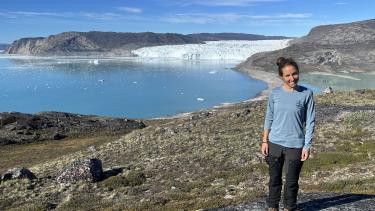
|
15.05.2025 | Dr. Christopher Kyba | Visible band observations at night: the European Urban Light Explorer mission proposal | Thanks to advances in imaging technology, extremely high-sensitivity observation of Earth at night in the visible and NIR bands is now feasible. The regular acquisition of such data would fill in a major gap in Europe's Earth Observation program, and would open up new frontiers in remote sensing of the atmosphere, Earth's surface properties, and human development and activity. This talk presents the European Urban Light .Explorer (EULE) mission concept, and invites the audience to consider what future nighttime data acquisition might mean for their own research fields. | 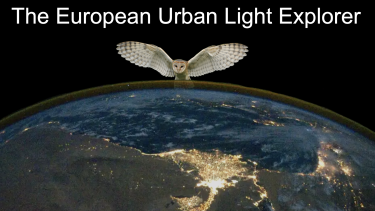
|
22.05.2025 | Prof. Dr. Kerstin Schepanski | The atmospheric dust cycle: Perspectives from satellite observations, field experiments and model simulations | Mineral dust aerosol is a major contributor to the atmospheric aerosol burden. Knowledge on dust sources and emission processes as well as the aerosols' journey through the atmosphere from source to sink is crucial for understanding various aerosol-atmosphere interactions including these on the Earth's radiation budget, cloud and precipitation formation processes. The presentation will discuss results from research that makes complementary use of satellite data, measurements, and numerical modelling in order to improve our understanding of the role of mineral dust in the Earth system. | 
|
05.06.2025 | Dr. Hyacinth Nnamchi GEOMAR Helmholtz Centre for Ocean Research Kiel, Germany | Aerosols more important for Sahel climate change than greenhouse gases | The Sahel, the semi-arid region of Africa between the Sahara Desert and the rainforest, has experienced dramatic shifts from severe droughts in the late 20th century to wetter conditions in recent decades. However, the primary cause of these changes, especially the relative roles of anthropogenic greenhouse gases (GHGs) and aerosols, remains contested. In particular, the recent Sahel recovery tend to be generally attributed to rising GHGs. Using ensembles of state-of-the-art climate models, I will show that these changes were primarily caused by anthropogenic aerosols. Aerosol-induced slowdown of the Hadley Circulation, the overturning circulation of the atmosphere that drives deep convection just north of the equator, caused the prolonged droughts. The subsequent decline in aerosol emissions triggered a reversal to a wetting phase. In contrast, the contribution of GHGs is minimal, 3–7 times less than that of aerosols. I will argue that the strong sensitivity of Sahel rainfall to anthropogenic aerosols implies (1) a more profound impact on future climates than previously recognized and (2) that this reduces confidence in climate model projections and climate risk assessment, which continue to focus primarily on GHGs. | 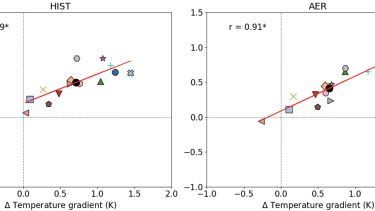
|
12.06.2025 | Dr. Felix Pithan | How do clouds and turbulence control polar climates? | Global climate change is amplified in the Arctic, which is warming at 3-4 times the global mean rate, and where wintertime precipitation is projected to double within this century. This Arctic amplification of climate change is caused by positive feedback processes such as the surface albedo feedback and the lapse-rate feedback caused by a bottom-heavy warming profile in an often stably stratified lower troposphere. These feedbacks depend on small-scale processes in clouds and boundary layers, which are still poorly understood and represented in models. In this talk, I will show how an air-mass following perspective in observations, modelling and conceptional understanding helps us to constrain crucial processes and to better understand how the Arctic couples to global climate. | 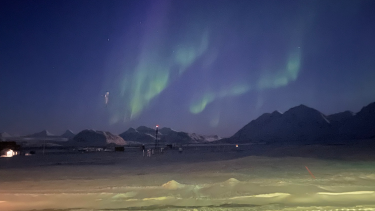
|
26.06.2025 | Dr. Dietmar Öttl | Theoretical background and practical aspects of the Air Quality Modelling System GRAMM-SCI and GRAL | The air quality modelling system GRAMM-SCI/GRAL has been under continuous development for approximately 30 years as part of various national and international research projects. GRAMM-SCI is a non-hydrostatic, prognostic wind-field model based on the Reynolds-Averaged Navier-Stokes (RANS) equations, while GRAL is a Lagrangian particle dispersion model that includes a built-in CFD module for simulating microscale flow and pollutant dispersion around buildings and vegetation. This presentation highlights several innovative features and developments within both models—many of which remain unique or were first introduced in this class of models. Notable topics include GRAMM-SCI’s specialized discretization approach, as well as GRAL’s advancements in handling low-wind speed conditions, odour dispersion, and emissions from tunnel portals. | 
|
03.07.2025 | Prof. Dr. Mary Kang | Methane emissions from abandoned oil and gas wells and natural gas end use | Methane is a potent greenhouse gas, and reducing methane emissions is a fast and cost-effective way to slow global warming in the near term. In this presentation, I will focus on two methane sources for which national inventory estimates remain highly uncertain: abandoned oil and gas wells and natural gas end use. I will present an overview of available methane emission measurements for these two sources, including the different methodologies employed. I will also provide estimates of methane emissions of abandoned oil and gas wells and natural gas end use for Canada and the U.S., including a discussion of data sources and limitations. I will end with the implications of these results on mitigation potential and policies in Canada, the U.S., and around the world. | 
|
10.07.2025 | Dr. John Rapaglia | Strange Waves in Beautiful Places: Forced Non-linear Waves in Coastal Environments
| Along many coastlines, long-term morphological change is driven by common wind waves, however drastic short-term morphological change is often induced from more powerful non-linear waves such as Tsunami. In shallow coastal environments, the impact of Bernoulli waves from large ships in Venice, Italy, and storm-driven edge waves/Meteotsunami in Dingle, Ireland on coastal processes were investigated. 100s of ship wakes were analyzed and determined to be the driving force of dozens of meters of shoreline retreat along the main industrial canal in Venice Lagoon, meanwhile a special resonance wave forced by a massive North Atlantic storm created a non-linear oscillating wave with a period of up to 9 minutes, caused significant damage in Dingle, Harbor. | 
|
24.07.2025 | Dr. Dennis Hofmann | New insights from Aeolotron experiments - Imaging and characterization of turbulent structures driving gas exchange at the air-water interface | Laboratory studies of air-water gas exchange provide a valuable tool for identifying and quantifying transport processes at a water surface. A Fluorescence Imaging technique was implemented at the Aeolotron to make the near-surface transport dynamics visible. This method enables the analysis of turbulent footprints, such as those caused by small-scale vortices and wave breaking events. Based on this, a simulation-based approach was developed to reliably determine the gas transfer velocity by means of fluorescence brightness. | 
|